
Seeking Guardianship Counsel in Tulsa: Understanding Oklahoma’s Guardianship Laws
When decisions regarding the care, finances, or property of minors or incapacitated adults become complicated in Tulsa, obtaining clear legal direction is essential. A consultation with a guardianship lawyer provides expert assistance throughout the process of establishing and managing guardianship under Oklahoma statutes. This guide will walk you through the guardianship process in Tulsa County, explore the various types of guardianship, discuss costs and fee structures, clarify the ongoing responsibilities of a legal guardian, and demonstrate how local legal knowledge can simplify your petition and representation.
What Is the Guardianship Process in Tulsa, Oklahoma?
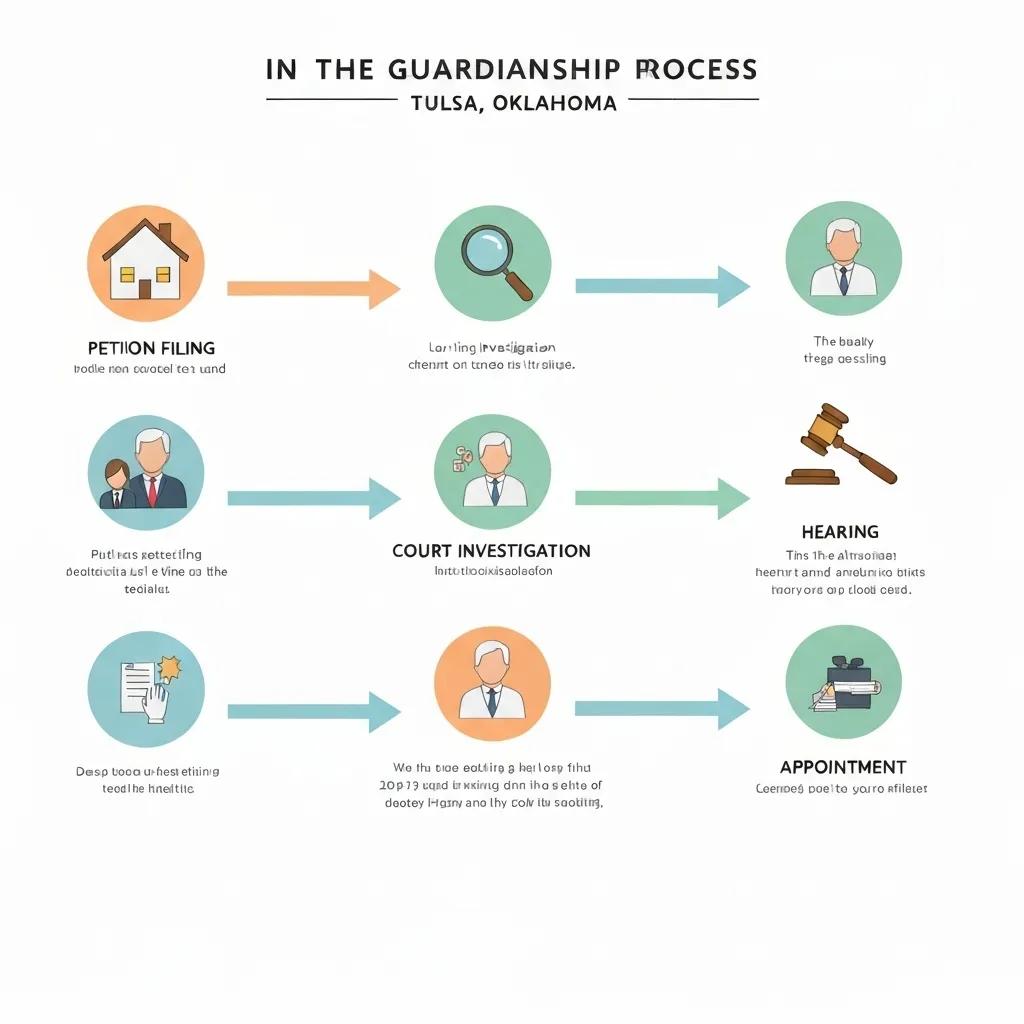
Guardianship in Tulsa is a court-supervised procedure where a responsible individual is appointed to manage the personal or financial affairs of someone unable to do so themselves. This system ensures judicial oversight to protect vulnerable individuals and their assets. For instance, filing a petition for an incapacitated parent initiates this formal process, safeguarding the ward’s interests through a series of defined legal steps.
Oklahoma’s Guardianship and Conservatorship Laws
Before we delve into each specific stage, understanding the overall progression is beneficial:
- Petition Filing – A guardianship petition, accompanied by supporting medical and financial documentation, is submitted to the Tulsa County District Court.
- Notice and Service – Formal notice is provided to the proposed ward and all interested parties, allowing them an opportunity to respond or object.
- Court Investigation – The court appoints an investigator to assess the ward’s capacity and living circumstances.
- Hearing – A judge presides over a hearing to review evidence, testimony, and determine the ward’s best interests.
- Appointment – If the ward is found to lack capacity, the court formally appoints the guardian.
- Oath and Bond – The appointed guardian takes a statutory oath and posts any required bond before officially assuming their duties.
These crucial steps ensure structured protection, leading us to explore how guardianship authority is categorized under Oklahoma law.
How Do You File a Guardianship Petition in Oklahoma?
Initiating the legal process involves filing a guardianship petition that outlines the ward’s incapacity and the necessity for protection. The petitioner submits the required forms, medical affidavits, and proposed letters of guardianship to the Tulsa County Clerk. Establishing proper venue and ensuring complete documentation are vital to prevent delays and secure timely court involvement, paving the way for the subsequent investigation.
What Happens During Court Hearings and Investigations?
During the court hearing, the findings of the court investigator’s report, along with medical evidence, will determine if the ward is unable to manage their personal or financial matters. Witnesses, including family members and medical professionals, will offer testimony regarding the ward’s capabilities. The judge will then consider all testimony, reports, and statutory requirements to make a guardianship decision that balances the ward’s autonomy with their need for protection.
How Is a Guardian Appointed and What Is the Oath?
Once the ward’s incapacity is established, the court issues letters of guardianship, officially naming the guardian and defining the extent of their authority. The appointed guardian must take an official oath before a court clerk, affirming their commitment to adhere to Oklahoma guardianship statutes and ethical standards. This formal appointment grants the guardian the legal authority to act in the ward’s best interests immediately upon completion of the oath.
What Are the Ongoing Reporting Requirements for Guardians?
Guardians are required to maintain transparency by submitting regular reports to the court, keeping it informed about the ward’s well-being and the status of their estate. Essential reports include:
- Initial Inventory and Valuation of the ward’s assets.
- Annual Status Reports detailing the ward’s health, living arrangements, and care decisions.
- Financial Accountings itemizing all income, expenses, and asset management activities.
Consistent and accurate reporting upholds fiduciary duties, which naturally leads to an understanding of the various types of guardianship available.
What Are the Types of Guardianship in Oklahoma?
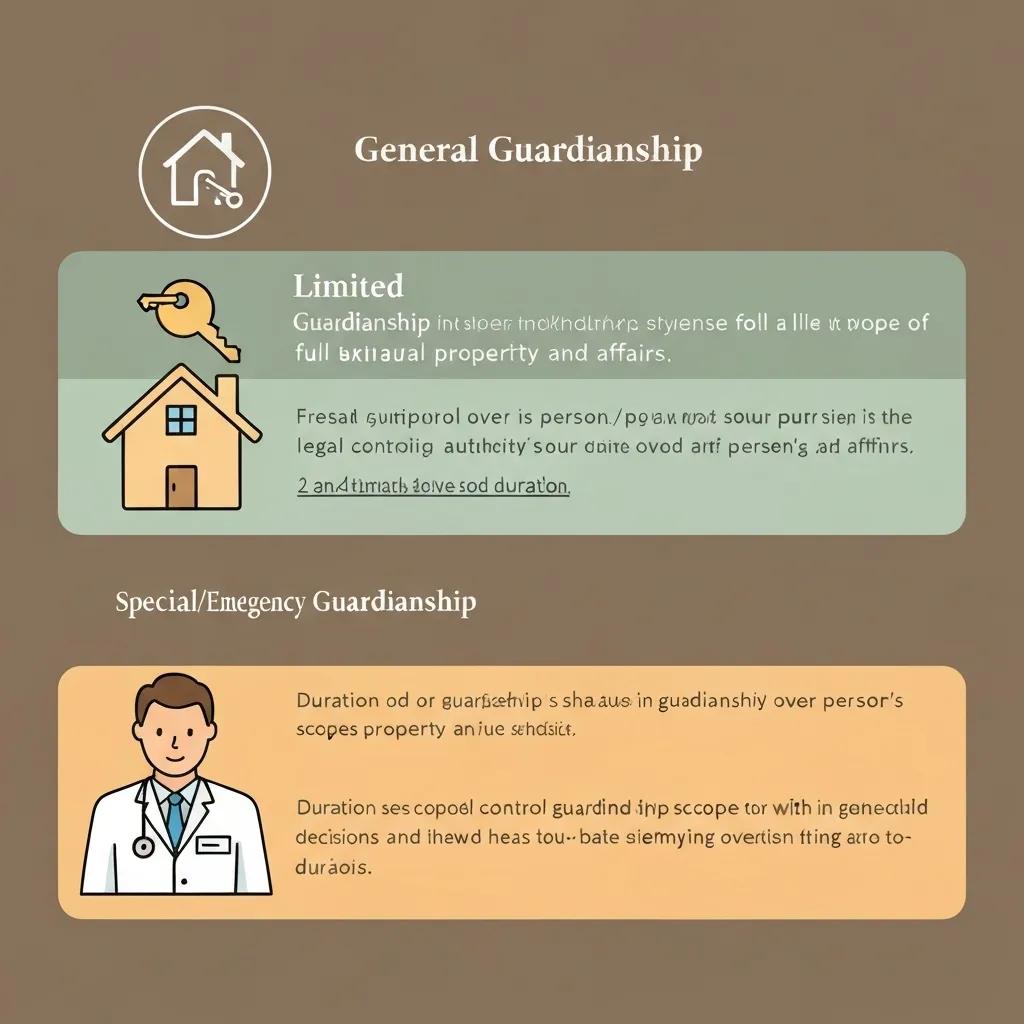
Oklahoma law offers customized guardianship arrangements to meet the unique needs of each ward, ensuring appropriate oversight without unnecessary intrusion. Whether broad decision-making authority or temporary relief is needed, selecting the correct guardianship type, as defined by a court order, is crucial for protecting personal care and property.
What Is General, Limited, and Special/Emergency Guardianship?
Oklahoma’s Types of Guardianship
How Does Minor Guardianship Differ from Adult Guardianship?
Guardianship for minors primarily focuses on the child’s welfare, encompassing decisions about their residence, education, and medical care, and typically concludes when the child reaches the age of majority. Adult guardianship addresses incapacity and may involve managing property, making healthcare decisions, and handling legal matters, all of which are subject to different statutory standards and court oversight.
What Are Contested Guardianship Cases and How Are They Handled?
Contested guardianship cases occur when parties involved disagree on the necessity of guardianship or the selection of a guardian. These disputes are resolved through formal hearings involving the presentation of evidence, cross-examination of witnesses, and legal arguments. Mediation and protective hearings are employed to facilitate dispute resolution, ensuring the ward’s best interests remain paramount while upholding due process.
How Much Does a Guardianship Lawyer Cost in Tulsa, Oklahoma?
The fees charged by attorneys for guardianship matters can vary based on the case’s complexity, the attorney’s experience, and the scope of representation. Engaging a skilled attorney is an investment that ensures accurate petition filings, thorough preparation for investigations, and effective advocacy during hearings. Understanding the typical costs involved will help families budget and plan for all associated expenses.
What Are Typical Attorney Fees and Retainers for Guardianship Cases?
Guardianship attorneys commonly structure their fees as follows:
- Hourly Rates: Ranging from $200 to $350 per hour for tasks such as research, document drafting, and court appearances.
- Retainer Fees: Typically between $3,000 and $5,000, paid upfront to secure legal representation.
- Flat-Fee Arrangements: For standard, uncontested petitions, fees may range from $1,500 to $4,000.
These flexible fee structures allow clients to select the option that best suits their case’s complexity and their financial situation.
What Court Filing Fees and Bond Requirements Should You Expect?
Here is a breakdown of the mandatory fees and bond assurances you can anticipate:
Accounting for these expenses completes the financial overview, leading us to the daily responsibilities a guardian must fulfill.
What Are the Responsibilities of a Legal Guardian in Oklahoma?
Responsibilities of a Legal Guardian
A legal guardian assumes both fiduciary and personal responsibilities that encompass care decisions, asset management, and adherence to legal requirements. Diligently fulfilling these obligations maintains the court’s confidence and safeguards the ward’s well-being across personal, financial, and legal aspects.
What Duties Does a Guardian Have for Personal Care and Well-being?
A guardian is responsible for ensuring the ward’s health by arranging for necessary medical treatment, suitable housing, educational opportunities, and social support. This role involves making both routine and critical decisions—such as consenting to surgical procedures or approving placement in long-term care facilities—to maintain and enhance the ward’s quality of life.
How Should Guardians Manage Financial and Legal Obligations?
Guardians are tasked with overseeing the ward’s financial affairs, which includes collecting income, managing bill payments, filing tax returns, and protecting assets. They must invest assets prudently and submit regular accountings to the court. Proper financial stewardship is essential to prevent disputes and secure the ward’s financial future.
How Can a Tulsa Guardianship Lawyer Help You Navigate Guardianship?
Engaging a Tulsa attorney who specializes in guardianship can alleviate uncertainty, expedite court procedures, and ensure the ward’s interests are protected at every legal juncture. Expert legal representation combines procedural compliance with compassionate advocacy and a deep understanding of local court practices.
What Legal Guidance and Representation Does a Guardianship Attorney Provide?
A guardianship lawyer handles the preparation and filing of petitions, attends court hearings, responds to investigations, negotiates contested matters, and drafts court-ordered plans. This comprehensive support minimizes risks, ensures compliance with statutes, and efficiently secures the guardian’s legal authority.
How Does Local Tulsa Expertise Benefit Guardianship Cases?
Familiarity with Tulsa County judges, court investigators, and administrative processes can accelerate case progression and anticipate judicial expectations. Local counsel leverages established relationships and knowledge of specific court procedures to achieve favorable outcomes.
What Should You Bring to Your First Guardianship Lawyer Consultation?
To make the most of your initial consultation with a guardianship lawyer, please prepare the following key documents and information:
- Medical evaluations or assessments of the proposed ward’s capacity.
- Recent bank statements, lists of assets, and relevant insurance policies.
- Identification and background information for the prospective guardian.
- Any existing custody orders, healthcare directives, or power-of-attorney documents.
Compiling this information will facilitate a productive meeting and establish the groundwork for a personalized legal strategy.
Navigating guardianship in Tulsa involves specific procedures, distinct types of guardianship, varying costs, and ongoing duties that can be challenging for families without professional assistance. Partnering with an experienced Tulsa attorney ensures a smooth process through each phase—from initial petition filing to ongoing reporting—while diligently protecting your loved one’s rights and assets. Contact us today for a guardianship lawyer consultation to secure your loved one’s personal and financial well-being under Oklahoma law.